
「使い捨て食器 > 爪楊枝・フードピック」の商品をご紹介します。
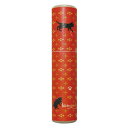
普段の暮らしを楽しい気分に。【楽天大感謝祭★最大ポイント30倍! 要エントリー 12/19 20:00 ~ 12/26 01:59】 komon+ コモンプラス ようじ入れ 猫足に十
普段の暮らしを楽しい気分に。柄名:猫足に十(ねこあしにじゅう)ポーチなどに携帯できる、かわいい筒状のケースです。爪楊枝5本入り。印鑑や、ヘアピンなどの小物を入れることもできます。【商品仕様】品番:CBC-9-KP-006寸法:本体 78×Φ17mm外装 100×46mm内容:楊枝入れ 1個入爪楊枝 5本入(1本ポリ袋入)素材:ケース 紙、プラスチック爪楊枝 木個装:OPP袋入包装:箱入備考:伝統文様に遊び心を加えた「komon+プラス」。和の上品な世界観とユニークなデザインが普段の暮らしを楽しい気分にさせてくれます。【komon+シリーズ文様について】・矢絣 やがすり矢羽を図案化した文様。まっすぐに突き進み戻らないことから縁起柄とされています。・市松 いちまつ正方形を互い違いに並べた 幾何学文様。・鱗 うろこ魚の鱗(うろこ)に見立てた文様。 厄除けとして身につける風習が あります。・青海波 せいがいは波を扇状に描いた幾何学文様。 繰り返される穏やかな波のように 平安のイメージとして使われます。・七宝 しっぽう円形を重ね合わせ無限に続くことから おめでたい吉祥文様のひとつです。・猫足絣 ねこあしがすり猫の足跡のような文様の絣柄。 ユーモアが感じられます。・壺々 つぼつぼ壺を単純に意匠化し散らした文様。 茶道具などに良く使われます。・梅鉢 うめばち中心の円の周りに5つの円を散らし 真上から見た梅の花を幾何学的に 図案化した文様です。・亀甲 きっこう正六角形の幾何学の文様。 その形が亀の甲羅に似ていることから この名前が付けられました。・木賊 とくさとくさを棒状に並べた単純な文様。 真っすぐに成長する力強さは 縁起物として親しまれています。・格子 こうし縦と横の線で構成された最も シンプルな文様。太さや間隔を 変えると無限に変化します。・稲妻 いなづま稲妻や雷は直線を屈折させた文様。 稲の実りを左右する稲妻は吉祥文様と されています。
363 円 (税込 / 送料別)

普段の暮らしを楽しい気分に。【楽天大感謝祭★最大ポイント30倍! 要エントリー 12/19 20:00 ~ 12/26 01:59】 komon+ コモンプラス ようじ入れ 南極キッコウ
普段の暮らしを楽しい気分に。柄名:南極キッコウポーチなどに携帯できる、かわいい筒状のケースです。爪楊枝5本入り。印鑑や、ヘアピンなどの小物を入れることもできます。【商品仕様】品番:CBC-9-KP-009寸法:本体 78×Φ17mm外装 100×46mm内容:楊枝入れ 1個入爪楊枝 5本入(1本ポリ袋入)素材:ケース 紙、プラスチック爪楊枝 木個装:OPP袋入包装:箱入備考:伝統文様に遊び心を加えた「komon+プラス」。和の上品な世界観とユニークなデザインが普段の暮らしを楽しい気分にさせてくれます。【komon+シリーズ文様について】・矢絣 やがすり矢羽を図案化した文様。まっすぐに突き進み戻らないことから縁起柄とされています。・市松 いちまつ正方形を互い違いに並べた 幾何学文様。・鱗 うろこ魚の鱗(うろこ)に見立てた文様。 厄除けとして身につける風習が あります。・青海波 せいがいは波を扇状に描いた幾何学文様。 繰り返される穏やかな波のように 平安のイメージとして使われます。・七宝 しっぽう円形を重ね合わせ無限に続くことから おめでたい吉祥文様のひとつです。・猫足絣 ねこあしがすり猫の足跡のような文様の絣柄。 ユーモアが感じられます。・壺々 つぼつぼ壺を単純に意匠化し散らした文様。 茶道具などに良く使われます。・梅鉢 うめばち中心の円の周りに5つの円を散らし 真上から見た梅の花を幾何学的に 図案化した文様です。・亀甲 きっこう正六角形の幾何学の文様。 その形が亀の甲羅に似ていることから この名前が付けられました。・木賊 とくさとくさを棒状に並べた単純な文様。 真っすぐに成長する力強さは 縁起物として親しまれています。・格子 こうし縦と横の線で構成された最も シンプルな文様。太さや間隔を 変えると無限に変化します。・稲妻 いなづま稲妻や雷は直線を屈折させた文様。 稲の実りを左右する稲妻は吉祥文様と されています。
363 円 (税込 / 送料別)

普段の暮らしを楽しい気分に。【楽天大感謝祭★最大ポイント30倍! 要エントリー 12/19 20:00 ~ 12/26 01:59】 komon+ コモンプラス ようじ入れ パンダ格子
普段の暮らしを楽しい気分に。柄名:パンダ格子ポーチなどに携帯できる、かわいい筒状のケースです。爪楊枝5本入り。印鑑や、ヘアピンなどの小物を入れることもできます。【商品仕様】品番:CBC-9-KP-011寸法:本体 78×Φ17mm外装 100×46mm内容:楊枝入れ 1個入爪楊枝 5本入(1本ポリ袋入)素材:ケース 紙、プラスチック爪楊枝 木個装:OPP袋入包装:箱入備考:伝統文様に遊び心を加えた「komon+プラス」。和の上品な世界観とユニークなデザインが普段の暮らしを楽しい気分にさせてくれます。【komon+シリーズ文様について】・矢絣 やがすり矢羽を図案化した文様。まっすぐに突き進み戻らないことから縁起柄とされています。・市松 いちまつ正方形を互い違いに並べた 幾何学文様。・鱗 うろこ魚の鱗(うろこ)に見立てた文様。 厄除けとして身につける風習が あります。・青海波 せいがいは波を扇状に描いた幾何学文様。 繰り返される穏やかな波のように 平安のイメージとして使われます。・七宝 しっぽう円形を重ね合わせ無限に続くことから おめでたい吉祥文様のひとつです。・猫足絣 ねこあしがすり猫の足跡のような文様の絣柄。 ユーモアが感じられます。・壺々 つぼつぼ壺を単純に意匠化し散らした文様。 茶道具などに良く使われます。・梅鉢 うめばち中心の円の周りに5つの円を散らし 真上から見た梅の花を幾何学的に 図案化した文様です。・亀甲 きっこう正六角形の幾何学の文様。 その形が亀の甲羅に似ていることから この名前が付けられました。・木賊 とくさとくさを棒状に並べた単純な文様。 真っすぐに成長する力強さは 縁起物として親しまれています。・格子 こうし縦と横の線で構成された最も シンプルな文様。太さや間隔を 変えると無限に変化します。・稲妻 いなづま稲妻や雷は直線を屈折させた文様。 稲の実りを左右する稲妻は吉祥文様と されています。
363 円 (税込 / 送料別)
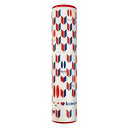
普段の暮らしを楽しい気分に。【楽天大感謝祭★最大ポイント30倍! 要エントリー 12/19 20:00 ~ 12/26 01:59】 komon+ コモンプラス ようじ入れ 矢絣うさぎ
普段の暮らしを楽しい気分に。柄名:矢絣うさぎポーチなどに携帯できる、かわいい筒状のケースです。爪楊枝5本入り。印鑑や、ヘアピンなどの小物を入れることもできます。【商品仕様】品番:CBC-9-KP-001寸法:本体 78×Φ17mm外装 100×46mm内容:楊枝入れ 1個入爪楊枝 5本入(1本ポリ袋入)素材:ケース 紙、プラスチック爪楊枝 木個装:OPP袋入包装:箱入備考:伝統文様に遊び心を加えた「komon+プラス」。和の上品な世界観とユニークなデザインが普段の暮らしを楽しい気分にさせてくれます。【komon+シリーズ文様について】・矢絣 やがすり矢羽を図案化した文様。まっすぐに突き進み戻らないことから縁起柄とされています。・市松 いちまつ正方形を互い違いに並べた 幾何学文様。・鱗 うろこ魚の鱗(うろこ)に見立てた文様。 厄除けとして身につける風習が あります。・青海波 せいがいは波を扇状に描いた幾何学文様。 繰り返される穏やかな波のように 平安のイメージとして使われます。・七宝 しっぽう円形を重ね合わせ無限に続くことから おめでたい吉祥文様のひとつです。・猫足絣 ねこあしがすり猫の足跡のような文様の絣柄。 ユーモアが感じられます。・壺々 つぼつぼ壺を単純に意匠化し散らした文様。 茶道具などに良く使われます。・梅鉢 うめばち中心の円の周りに5つの円を散らし 真上から見た梅の花を幾何学的に 図案化した文様です。・亀甲 きっこう正六角形の幾何学の文様。 その形が亀の甲羅に似ていることから この名前が付けられました。・木賊 とくさとくさを棒状に並べた単純な文様。 真っすぐに成長する力強さは 縁起物として親しまれています。・格子 こうし縦と横の線で構成された最も シンプルな文様。太さや間隔を 変えると無限に変化します。・稲妻 いなづま稲妻や雷は直線を屈折させた文様。 稲の実りを左右する稲妻は吉祥文様と されています。
363 円 (税込 / 送料別)

普段の暮らしを楽しい気分に。【楽天大感謝祭★最大ポイント30倍! 要エントリー 12/19 20:00 ~ 12/26 01:59】 komon+ コモンプラス ようじ入れ うろこ富士
普段の暮らしを楽しい気分に。柄名:うろこ富士ポーチなどに携帯できる、かわいい筒状のケースです。爪楊枝5本入り。印鑑や、ヘアピンなどの小物を入れることもできます。【商品仕様】品番:CBC-9-KP-003寸法:本体 78×Φ17mm外装 100×46mm内容:楊枝入れ 1個入爪楊枝 5本入(1本ポリ袋入)素材:ケース 紙、プラスチック爪楊枝 木個装:OPP袋入包装:箱入備考:伝統文様に遊び心を加えた「komon+プラス」。和の上品な世界観とユニークなデザインが普段の暮らしを楽しい気分にさせてくれます。【komon+シリーズ文様について】・矢絣 やがすり矢羽を図案化した文様。まっすぐに突き進み戻らないことから縁起柄とされています。・市松 いちまつ正方形を互い違いに並べた 幾何学文様。・鱗 うろこ魚の鱗(うろこ)に見立てた文様。 厄除けとして身につける風習が あります。・青海波 せいがいは波を扇状に描いた幾何学文様。 繰り返される穏やかな波のように 平安のイメージとして使われます。・七宝 しっぽう円形を重ね合わせ無限に続くことから おめでたい吉祥文様のひとつです。・猫足絣 ねこあしがすり猫の足跡のような文様の絣柄。 ユーモアが感じられます。・壺々 つぼつぼ壺を単純に意匠化し散らした文様。 茶道具などに良く使われます。・梅鉢 うめばち中心の円の周りに5つの円を散らし 真上から見た梅の花を幾何学的に 図案化した文様です。・亀甲 きっこう正六角形の幾何学の文様。 その形が亀の甲羅に似ていることから この名前が付けられました。・木賊 とくさとくさを棒状に並べた単純な文様。 真っすぐに成長する力強さは 縁起物として親しまれています。・格子 こうし縦と横の線で構成された最も シンプルな文様。太さや間隔を 変えると無限に変化します。・稲妻 いなづま稲妻や雷は直線を屈折させた文様。 稲の実りを左右する稲妻は吉祥文様と されています。
363 円 (税込 / 送料別)
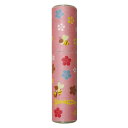
普段の暮らしを楽しい気分に。【楽天大感謝祭★最大ポイント30倍! 要エントリー 12/19 20:00 ~ 12/26 01:59】 komon+ コモンプラス ようじ入れ 梅バチ
普段の暮らしを楽しい気分に。柄名:梅バチポーチなどに携帯できる、かわいい筒状のケースです。爪楊枝5本入り。印鑑や、ヘアピンなどの小物を入れることもできます。【商品仕様】品番:CBC-9-KP-008寸法:本体 78×Φ17mm外装 100×46mm内容:楊枝入れ 1個入爪楊枝 5本入(1本ポリ袋入)素材:ケース 紙、プラスチック爪楊枝 木個装:OPP袋入包装:箱入備考:伝統文様に遊び心を加えた「komon+プラス」。和の上品な世界観とユニークなデザインが普段の暮らしを楽しい気分にさせてくれます。【komon+シリーズ文様について】・矢絣 やがすり矢羽を図案化した文様。まっすぐに突き進み戻らないことから縁起柄とされています。・市松 いちまつ正方形を互い違いに並べた 幾何学文様。・鱗 うろこ魚の鱗(うろこ)に見立てた文様。 厄除けとして身につける風習が あります。・青海波 せいがいは波を扇状に描いた幾何学文様。 繰り返される穏やかな波のように 平安のイメージとして使われます。・七宝 しっぽう円形を重ね合わせ無限に続くことから おめでたい吉祥文様のひとつです。・猫足絣 ねこあしがすり猫の足跡のような文様の絣柄。 ユーモアが感じられます。・壺々 つぼつぼ壺を単純に意匠化し散らした文様。 茶道具などに良く使われます。・梅鉢 うめばち中心の円の周りに5つの円を散らし 真上から見た梅の花を幾何学的に 図案化した文様です。・亀甲 きっこう正六角形の幾何学の文様。 その形が亀の甲羅に似ていることから この名前が付けられました。・木賊 とくさとくさを棒状に並べた単純な文様。 真っすぐに成長する力強さは 縁起物として親しまれています。・格子 こうし縦と横の線で構成された最も シンプルな文様。太さや間隔を 変えると無限に変化します。・稲妻 いなづま稲妻や雷は直線を屈折させた文様。 稲の実りを左右する稲妻は吉祥文様と されています。
363 円 (税込 / 送料別)

普段の暮らしを楽しい気分に。【楽天大感謝祭★最大ポイント30倍! 要エントリー 12/19 20:00 ~ 12/26 01:59】 komon+ コモンプラス ようじ入れ 青海波クジラ
普段の暮らしを楽しい気分に。柄名:青海波クジラポーチなどに携帯できる、かわいい筒状のケースです。爪楊枝5本入り。印鑑や、ヘアピンなどの小物を入れることもできます。【商品仕様】品番:CBC-9-KP-004寸法:本体 78×Φ17mm外装 100×46mm内容:楊枝入れ 1個入爪楊枝 5本入(1本ポリ袋入)素材:ケース 紙、プラスチック爪楊枝 木個装:OPP袋入包装:箱入備考:伝統文様に遊び心を加えた「komon+プラス」。和の上品な世界観とユニークなデザインが普段の暮らしを楽しい気分にさせてくれます。【komon+シリーズ文様について】・矢絣 やがすり矢羽を図案化した文様。まっすぐに突き進み戻らないことから縁起柄とされています。・市松 いちまつ正方形を互い違いに並べた 幾何学文様。・鱗 うろこ魚の鱗(うろこ)に見立てた文様。 厄除けとして身につける風習が あります。・青海波 せいがいは波を扇状に描いた幾何学文様。 繰り返される穏やかな波のように 平安のイメージとして使われます。・七宝 しっぽう円形を重ね合わせ無限に続くことから おめでたい吉祥文様のひとつです。・猫足絣 ねこあしがすり猫の足跡のような文様の絣柄。 ユーモアが感じられます。・壺々 つぼつぼ壺を単純に意匠化し散らした文様。 茶道具などに良く使われます。・梅鉢 うめばち中心の円の周りに5つの円を散らし 真上から見た梅の花を幾何学的に 図案化した文様です。・亀甲 きっこう正六角形の幾何学の文様。 その形が亀の甲羅に似ていることから この名前が付けられました。・木賊 とくさとくさを棒状に並べた単純な文様。 真っすぐに成長する力強さは 縁起物として親しまれています。・格子 こうし縦と横の線で構成された最も シンプルな文様。太さや間隔を 変えると無限に変化します。・稲妻 いなづま稲妻や雷は直線を屈折させた文様。 稲の実りを左右する稲妻は吉祥文様と されています。
363 円 (税込 / 送料別)

普段の暮らしを楽しい気分に。【楽天大感謝祭★最大ポイント30倍! 要エントリー 12/19 20:00 ~ 12/26 01:59】 komon+ コモンプラス ようじ入れ リスのしっぽう
普段の暮らしを楽しい気分に。柄名:リスのしっぽうポーチなどに携帯できる、かわいい筒状のケースです。爪楊枝5本入り。印鑑や、ヘアピンなどの小物を入れることもできます。【商品仕様】品番:CBC-9-KP-005寸法:本体 78×Φ17mm外装 100×46mm内容:楊枝入れ 1個入爪楊枝 5本入(1本ポリ袋入)素材:ケース 紙、プラスチック爪楊枝 木個装:OPP袋入包装:箱入備考:伝統文様に遊び心を加えた「komon+プラス」。和の上品な世界観とユニークなデザインが普段の暮らしを楽しい気分にさせてくれます。【komon+シリーズ文様について】・矢絣 やがすり矢羽を図案化した文様。まっすぐに突き進み戻らないことから縁起柄とされています。・市松 いちまつ正方形を互い違いに並べた 幾何学文様。・鱗 うろこ魚の鱗(うろこ)に見立てた文様。 厄除けとして身につける風習が あります。・青海波 せいがいは波を扇状に描いた幾何学文様。 繰り返される穏やかな波のように 平安のイメージとして使われます。・七宝 しっぽう円形を重ね合わせ無限に続くことから おめでたい吉祥文様のひとつです。・猫足絣 ねこあしがすり猫の足跡のような文様の絣柄。 ユーモアが感じられます。・壺々 つぼつぼ壺を単純に意匠化し散らした文様。 茶道具などに良く使われます。・梅鉢 うめばち中心の円の周りに5つの円を散らし 真上から見た梅の花を幾何学的に 図案化した文様です。・亀甲 きっこう正六角形の幾何学の文様。 その形が亀の甲羅に似ていることから この名前が付けられました。・木賊 とくさとくさを棒状に並べた単純な文様。 真っすぐに成長する力強さは 縁起物として親しまれています。・格子 こうし縦と横の線で構成された最も シンプルな文様。太さや間隔を 変えると無限に変化します。・稲妻 いなづま稲妻や雷は直線を屈折させた文様。 稲の実りを左右する稲妻は吉祥文様と されています。
363 円 (税込 / 送料別)
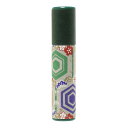
ポーチなどに携帯できる、筒状のケースです。爪楊枝5本入【楽天大感謝祭★最大ポイント30倍! 要エントリー 12/19 20:00 ~ 12/26 01:59】 豆筒 爪楊枝5本入 松竹梅亀甲文様 (繁栄)
ポーチなどに携帯できる、筒状のケースです。1本ずつ袋に入った爪楊枝5本入り。柄には縁起良い意味を持つ伝承文様の友禅紙を巻きました。印鑑や、ヘアピンなどの小物を入れることもできます。げんかつぎに持ち歩くもよし、プレゼントやお土産にするもよし、こだわりを感じられる使って便利なアイテムです。寸法:本体 78×直径17mm個装:105×50×18mm重量:8g内容:筒 1個、爪楊枝 5本入(1本ポリ袋入)素材:紙 プラスチック(筒)、木(楊枝)個装:OPP袋入■注意事項・無理な力や強い衝撃は、変形や破損の恐れがあります。・水分等での濡れた状態長時間湿った状態での放置は、商品本来の機能を失い、ケースは色落ちの恐れがあります。・友禅紙ケースは摩擦で色落ちする場合があります。・火気厳禁。
396 円 (税込 / 送料別)
![矢羽根ピック (10本入) ~和のおもてなし~ ピック 業務用 料理 和食 和食器 懐石 食膳 和風 ].【 用美 ヤマコー 】 [you20-338-13]](https://thumbnail.image.rakuten.co.jp/@0_mall/kg-pro/cabinet/you/you/b/you23479sam.jpg?_ex=128x128)
日本料理のおもてなし和食器。和風料理にお薦めのおしゃれな食器。矢羽根ピック (10本入) ~和のおもてなし~ ピック 業務用 料理 和食 和食器 懐石 食膳 和風 ].【 用美 ヤマコー 】 [you20-338-13]
迎春、謹賀新年、賀正、寿など新たな年を祝いみんなが幸せをを願う食膳がおせち料理。 おせち料理は、季節の変わり目となる節句に神様へのお供え物が起源とされています。 御節供(おせちく)が語源で祈りの儀式が始まりとされています。 江戸時代に庶民にその文化が広まり、新年を祝う料理として発展しました。 おせち料理には、そのひとつづつに意味があります。 五穀豊穣や子孫繁栄の他、無病息災などを願うのが特徴です。 鯛:めでたい 海老:長寿への願い 鰤:出世魚 蛤:夫婦円満や良縁の願い(2枚重なっている) 昆布巻き:喜ぶこぶ たたきごぼう:地中深く根を張ることから家族や家業が土地に根付くこと 数の子:子孫繁栄 黒豆:まめに働く誠実さ たけのこ:子供の成長や家の発展 里芋:親芋から子芋、孫芋の繁栄 料理飾りにも願いを込めた意味が有ります。 松:風雪に耐え長い歳月を生きる。 竹:折れにくく、成長が早い事から子供の未来を願う。 梅:雪に耐え美しい花を咲かせ彩を奏でる。 鶴:鶴はつがいになると一生涯仲良く過ごす夫婦愛の象徴。 亀:長寿を象徴する亀は長寿を願う。 水引には人と神を結ぶ願いが込められています。 また、人と人をを結ぶといった思いが込められています。 農耕が人々の暮らしであった江戸時代、雨を降らせる水の神への願いが起源とされています。 五穀豊穣を願い食に感謝をし、幸せな一年を過ごす事を願う。 おせち料理にはそうした願いと祈りが込められています。 料理飾りは脇役ですが、日本の人々が培って育み、伝承されてきた文化が宿っています。 Osechi ryori is a meal that celebrates the new year and wishes happiness to everyone, including welcoming the new year, happy new year, happy new year, and longevity. Osechi ryori is said to have originated as offerings to the gods at seasonal festivals that mark the change of seasons. The word osechi ryori is derived from osechiku, which is said to have originated as a prayer ritual. During the Edo period, the culture spread to the common people and developed into a cuisine for celebrating the New Year. Each component of osechi ryori has a meaning. Osechi ryori is characterized by wishes for bountiful harvests, prosperity of descendants, and good health. Sea bream: Auspicious Shrimp: A wish for longevity Yellowtail: A fish that grows as one gets older Clams: A wish for marital harmony and a good relationship (two clams overlap) Kombu rolls: A lump of joy Pounded burdock: Because of its deep roots, it represents the family and business being firmly rooted in the land Herring roe: Prosperity of descendants Black beans: Diligent and honest work Bamboo shoots: The growth of children and the development of the family Taro: Prosperity of the parent, child, and grandchild potatoes Food decorations also have meanings that convey wishes. Pine: To withstand wind and snow and live a long life. Bamboo: Hard to break and grow quickly, it represents a wish for the future of children. Plum blossoms: Withstands snow and blooms beautiful flowers, creating a colorful display. Crane: A symbol of marital love, where a pair will mate and spend their entire lives together. Turtle: Turtles symbolize longevity, and represent a prayer for longevity. Mizuhiki is imbued with the wish to connect people with the gods. It also embodies the idea of connecting people with each other. It is said to have originated as a prayer to the water god who brings rain during the Edo period, when farming was a way of life. It represents prayers for bountiful harvests, gratitude for food, and a happy year. Osechi cuisine is imbued with such wishes and prayers. Although the food decorations play a supporting role, they are imbued with the culture that has been cultivated, nurtured, and passed down by the Japanese people. 和風 料理演出 料理飾り 料理かざり 正月 お正月 食器 正月飾り ]. 【 用美 ヤマコー 】【 業務用 厨房 店舗 旅館 施設 接客 飲食店 調理用 料理道具 専門店 キッチンガーデン 】 ~和風 食器 和食 料理の器 道具 和ごころセレクト/Japan Taste~ 和食器で食のおもてなし
455 円 (税込 / 送料別)
![(14) 矢羽根ピック (10本入) 赤・紫各3本 緑・黄各2本 ~和のおもてなし~ 料理 飾り お正月 正月 おせち 重箱 ピック 業務用 和食 和食器 懐石 食膳 和風 料理飾り ].【 用美 ヤマコー 】 [you20-338-14]](https://thumbnail.image.rakuten.co.jp/@0_mall/kg-pro/cabinet/you/you/b/you23478sam.jpg?_ex=128x128)
日本料理のおもてなし和食器。和風料理にお薦めのおしゃれな食器。(14) 矢羽根ピック (10本入) 赤・紫各3本 緑・黄各2本 ~和のおもてなし~ 料理 飾り お正月 正月 おせち 重箱 ピック 業務用 和食 和食器 懐石 食膳 和風 料理飾り ].【 用美 ヤマコー 】 [you20-338-14]
【商品のご案内】 約9cm 迎春、謹賀新年、賀正、寿など新たな年を祝いみんなが幸せをを願う食膳がおせち料理。 おせち料理は、季節の変わり目となる節句に神様へのお供え物が起源とされています。 御節供(おせちく)が語源で祈りの儀式が始まりとされています。 江戸時代に庶民にその文化が広まり、新年を祝う料理として発展しました。 おせち料理には、そのひとつづつに意味があります。 五穀豊穣や子孫繁栄の他、無病息災などを願うのが特徴です。 鯛:めでたい 海老:長寿への願い 鰤:出世魚 蛤:夫婦円満や良縁の願い(2枚重なっている) 昆布巻き:喜ぶこぶ たたきごぼう:地中深く根を張ることから家族や家業が土地に根付くこと 数の子:子孫繁栄 黒豆:まめに働く誠実さ たけのこ:子供の成長や家の発展 里芋:親芋から子芋、孫芋の繁栄 料理飾りにも願いを込めた意味が有ります。 松:風雪に耐え長い歳月を生きる。 竹:折れにくく、成長が早い事から子供の未来を願う。 梅:雪に耐え美しい花を咲かせ彩を奏でる。 鶴:鶴はつがいになると一生涯仲良く過ごす夫婦愛の象徴。 亀:長寿を象徴する亀は長寿を願う。 水引には人と神を結ぶ願いが込められています。 また、人と人をを結ぶといった思いが込められています。 農耕が人々の暮らしであった江戸時代、雨を降らせる水の神への願いが起源とされています。 五穀豊穣を願い食に感謝をし、幸せな一年を過ごす事を願う。 おせち料理にはそうした願いと祈りが込められています。 料理飾りは脇役ですが、日本の人々が培って育み、伝承されてきた文化が宿っています。 Osechi ryori is a meal that celebrates the new year and wishes happiness to everyone, including welcoming the new year, happy new year, happy new year, and longevity. Osechi ryori is said to have originated as offerings to the gods at seasonal festivals that mark the change of seasons. The word osechi ryori is derived from osechiku, which is said to have originated as a prayer ritual. During the Edo period, the culture spread to the common people and developed into a cuisine for celebrating the New Year. Each component of osechi ryori has a meaning. Osechi ryori is characterized by wishes for bountiful harvests, prosperity of descendants, and good health. Sea bream: Auspicious Shrimp: A wish for longevity Yellowtail: A fish that grows as one gets older Clams: A wish for marital harmony and a good relationship (two clams overlap) Kombu rolls: A lump of joy Pounded burdock: Because of its deep roots, it represents the family and business being firmly rooted in the land Herring roe: Prosperity of descendants Black beans: Diligent and honest work Bamboo shoots: The growth of children and the development of the family Taro: Prosperity of the parent, child, and grandchild potatoes Food decorations also have meanings that convey wishes. Pine: To withstand wind and snow and live a long life. Bamboo: Hard to break and grow quickly, it represents a wish for the future of children. Plum blossoms: Withstands snow and blooms beautiful flowers, creating a colorful display. Crane: A symbol of marital love, where a pair will mate and spend their entire lives together. Turtle: Turtles symbolize longevity, and represent a prayer for longevity. Mizuhiki is imbued with the wish to connect people with the gods. It also embodies the idea of connecting people with each other. It is said to have originated as a prayer to the water god who brings rain during the Edo period, when farming was a way of life. It represents prayers for bountiful harvests, gratitude for food, and a happy year. Osechi cuisine is imbued with such wishes and prayers. Although the food decorations play a supporting role, they are imbued with the culture that has been cultivated, nurtured, and passed down by the Japanese people. 和風 お正月 おせち おせち用 飾り 料理演出 料理飾り 料理かざり ピック 正月 お正月 食器 正月飾り ]. 【 用美 ヤマコー 】【 業務用 厨房 店舗 旅館 施設 接客 飲食店 調理用 料理道具 専門店 キッチンガーデン 】 ~和風 食器 和食 料理の器 道具 和ごころセレクト/Japan Taste~ 和食器で食のおもてなし
455 円 (税込 / 送料別)
![水引楊枝付 100個入り ~和のおもてなし~ お正月 おせち 料理 飾り迎春 賀正 楊枝 水引 業務用 和食 和食器 懐石 食膳 和風 料理飾り ].【 用美 ヤマコー 】 [you20-337-17]](https://thumbnail.image.rakuten.co.jp/@0_mall/kg-pro/cabinet/you/you/b/you25708sam.jpg?_ex=128x128)
日本料理のおもてなし和食器。和風料理にお薦めのおしゃれな食器。水引楊枝付 100個入り ~和のおもてなし~ お正月 おせち 料理 飾り迎春 賀正 楊枝 水引 業務用 和食 和食器 懐石 食膳 和風 料理飾り ].【 用美 ヤマコー 】 [you20-337-17]
迎春、謹賀新年、賀正、寿など新たな年を祝いみんなが幸せをを願う食膳がおせち料理。 おせち料理は、季節の変わり目となる節句に神様へのお供え物が起源とされています。 御節供(おせちく)が語源で祈りの儀式が始まりとされています。 江戸時代に庶民にその文化が広まり、新年を祝う料理として発展しました。 おせち料理には、そのひとつづつに意味があります。 五穀豊穣や子孫繁栄の他、無病息災などを願うのが特徴です。 鯛:めでたい 海老:長寿への願い 鰤:出世魚 蛤:夫婦円満や良縁の願い(2枚重なっている) 昆布巻き:喜ぶこぶ たたきごぼう:地中深く根を張ることから家族や家業が土地に根付くこと 数の子:子孫繁栄 黒豆:まめに働く誠実さ たけのこ:子供の成長や家の発展 里芋:親芋から子芋、孫芋の繁栄 料理飾りにも願いを込めた意味が有ります。 松:風雪に耐え長い歳月を生きる。 竹:折れにくく、成長が早い事から子供の未来を願う。 梅:雪に耐え美しい花を咲かせ彩を奏でる。 鶴:鶴はつがいになると一生涯仲良く過ごす夫婦愛の象徴。 亀:長寿を象徴する亀は長寿を願う。 水引には人と神を結ぶ願いが込められています。 また、人と人をを結ぶといった思いが込められています。 農耕が人々の暮らしであった江戸時代、雨を降らせる水の神への願いが起源とされています。 五穀豊穣を願い食に感謝をし、幸せな一年を過ごす事を願う。 おせち料理にはそうした願いと祈りが込められています。 料理飾りは脇役ですが、日本の人々が培って育み、伝承されてきた文化が宿っています。 Osechi ryori is a meal that celebrates the new year and wishes happiness to everyone, including welcoming the new year, happy new year, happy new year, and longevity. Osechi ryori is said to have originated as offerings to the gods at seasonal festivals that mark the change of seasons. The word osechi ryori is derived from osechiku, which is said to have originated as a prayer ritual. During the Edo period, the culture spread to the common people and developed into a cuisine for celebrating the New Year. Each component of osechi ryori has a meaning. Osechi ryori is characterized by wishes for bountiful harvests, prosperity of descendants, and good health. Sea bream: Auspicious Shrimp: A wish for longevity Yellowtail: A fish that grows as one gets older Clams: A wish for marital harmony and a good relationship (two clams overlap) Kombu rolls: A lump of joy Pounded burdock: Because of its deep roots, it represents the family and business being firmly rooted in the land Herring roe: Prosperity of descendants Black beans: Diligent and honest work Bamboo shoots: The growth of children and the development of the family Taro: Prosperity of the parent, child, and grandchild potatoes Food decorations also have meanings that convey wishes. Pine: To withstand wind and snow and live a long life. Bamboo: Hard to break and grow quickly, it represents a wish for the future of children. Plum blossoms: Withstands snow and blooms beautiful flowers, creating a colorful display. Crane: A symbol of marital love, where a pair will mate and spend their entire lives together. Turtle: Turtles symbolize longevity, and represent a prayer for longevity. Mizuhiki is imbued with the wish to connect people with the gods. It also embodies the idea of connecting people with each other. It is said to have originated as a prayer to the water god who brings rain during the Edo period, when farming was a way of life. It represents prayers for bountiful harvests, gratitude for food, and a happy year. Osechi cuisine is imbued with such wishes and prayers. Although the food decorations play a supporting role, they are imbued with the culture that has been cultivated, nurtured, and passed down by the Japanese people. 和風 料理演出 料理飾り 料理かざり 正月 お正月 食器 正月飾り ]. 【 用美 ヤマコー 】【 業務用 厨房 店舗 旅館 施設 接客 飲食店 調理用 料理道具 専門店 キッチンガーデン 】 ~和風 食器 和食 料理の器 道具 和ごころセレクト/Japan Taste~ 和食器で食のおもてなし
6039 円 (税込 / 送料別)
![プチピック 結び 5個入り ~和のおもてなし~ 料理 飾り お正月 正月 おせち 重箱 ピック 業務用 和食 和食器 懐石 食膳 和風 料理飾り ].【 用美 ヤマコー 】 [you20-338-12]](https://thumbnail.image.rakuten.co.jp/@0_mall/kg-pro/cabinet/you/you/b/you25838sam.jpg?_ex=128x128)
日本料理のおもてなし和食器。和風料理にお薦めのおしゃれな食器。プチピック 結び 5個入り ~和のおもてなし~ 料理 飾り お正月 正月 おせち 重箱 ピック 業務用 和食 和食器 懐石 食膳 和風 料理飾り ].【 用美 ヤマコー 】 [you20-338-12]
【商品のご案内】 約L9cm ※各色混合 迎春、謹賀新年、賀正、寿など新たな年を祝いみんなが幸せをを願う食膳がおせち料理。 おせち料理は、季節の変わり目となる節句に神様へのお供え物が起源とされています。 御節供(おせちく)が語源で祈りの儀式が始まりとされています。 江戸時代に庶民にその文化が広まり、新年を祝う料理として発展しました。 おせち料理には、そのひとつづつに意味があります。 五穀豊穣や子孫繁栄の他、無病息災などを願うのが特徴です。 鯛:めでたい 海老:長寿への願い 鰤:出世魚 蛤:夫婦円満や良縁の願い(2枚重なっている) 昆布巻き:喜ぶこぶ たたきごぼう:地中深く根を張ることから家族や家業が土地に根付くこと 数の子:子孫繁栄 黒豆:まめに働く誠実さ たけのこ:子供の成長や家の発展 里芋:親芋から子芋、孫芋の繁栄 料理飾りにも願いを込めた意味が有ります。 松:風雪に耐え長い歳月を生きる。 竹:折れにくく、成長が早い事から子供の未来を願う。 梅:雪に耐え美しい花を咲かせ彩を奏でる。 鶴:鶴はつがいになると一生涯仲良く過ごす夫婦愛の象徴。 亀:長寿を象徴する亀は長寿を願う。 水引には人と神を結ぶ願いが込められています。 また、人と人をを結ぶといった思いが込められています。 農耕が人々の暮らしであった江戸時代、雨を降らせる水の神への願いが起源とされています。 五穀豊穣を願い食に感謝をし、幸せな一年を過ごす事を願う。 おせち料理にはそうした願いと祈りが込められています。 料理飾りは脇役ですが、日本の人々が培って育み、伝承されてきた文化が宿っています。 Osechi ryori is a meal that celebrates the new year and wishes happiness to everyone, including welcoming the new year, happy new year, happy new year, and longevity. Osechi ryori is said to have originated as offerings to the gods at seasonal festivals that mark the change of seasons. The word osechi ryori is derived from osechiku, which is said to have originated as a prayer ritual. During the Edo period, the culture spread to the common people and developed into a cuisine for celebrating the New Year. Each component of osechi ryori has a meaning. Osechi ryori is characterized by wishes for bountiful harvests, prosperity of descendants, and good health. Sea bream: Auspicious Shrimp: A wish for longevity Yellowtail: A fish that grows as one gets older Clams: A wish for marital harmony and a good relationship (two clams overlap) Kombu rolls: A lump of joy Pounded burdock: Because of its deep roots, it represents the family and business being firmly rooted in the land Herring roe: Prosperity of descendants Black beans: Diligent and honest work Bamboo shoots: The growth of children and the development of the family Taro: Prosperity of the parent, child, and grandchild potatoes Food decorations also have meanings that convey wishes. Pine: To withstand wind and snow and live a long life. Bamboo: Hard to break and grow quickly, it represents a wish for the future of children. Plum blossoms: Withstands snow and blooms beautiful flowers, creating a colorful display. Crane: A symbol of marital love, where a pair will mate and spend their entire lives together. Turtle: Turtles symbolize longevity, and represent a prayer for longevity. Mizuhiki is imbued with the wish to connect people with the gods. It also embodies the idea of connecting people with each other. It is said to have originated as a prayer to the water god who brings rain during the Edo period, when farming was a way of life. It represents prayers for bountiful harvests, gratitude for food, and a happy year. Osechi cuisine is imbued with such wishes and prayers. Although the food decorations play a supporting role, they are imbued with the culture that has been cultivated, nurtured, and passed down by the Japanese people. 和風 お正月 おせち おせち用 飾り 料理演出 料理飾り 料理かざり ピック 正月 お正月 食器 正月飾り ]. 【 用美 ヤマコー 】【 業務用 厨房 店舗 旅館 施設 接客 飲食店 調理用 料理道具 専門店 キッチンガーデン 】 ~和風 食器 和食 料理の器 道具 和ごころセレクト/Japan Taste~ 和食器で食のおもてなし
208 円 (税込 / 送料別)
![プチピック 風車 5個入り ~和のおもてなし~ 料理 飾り お正月 正月 おせち 重箱 ピック 業務用 和食 和食器 懐石 食膳 和風 料理飾り ].【 用美 ヤマコー 】 [you20-338-10]](https://thumbnail.image.rakuten.co.jp/@0_mall/kg-pro/cabinet/you/you/b/you25840sam.jpg?_ex=128x128)
日本料理のおもてなし和食器。和風料理にお薦めのおしゃれな食器。プチピック 風車 5個入り ~和のおもてなし~ 料理 飾り お正月 正月 おせち 重箱 ピック 業務用 和食 和食器 懐石 食膳 和風 料理飾り ].【 用美 ヤマコー 】 [you20-338-10]
迎春、謹賀新年、賀正、寿など新たな年を祝いみんなが幸せをを願う食膳がおせち料理。 おせち料理は、季節の変わり目となる節句に神様へのお供え物が起源とされています。 御節供(おせちく)が語源で祈りの儀式が始まりとされています。 江戸時代に庶民にその文化が広まり、新年を祝う料理として発展しました。 おせち料理には、そのひとつづつに意味があります。 五穀豊穣や子孫繁栄の他、無病息災などを願うのが特徴です。 鯛:めでたい 海老:長寿への願い 鰤:出世魚 蛤:夫婦円満や良縁の願い(2枚重なっている) 昆布巻き:喜ぶこぶ たたきごぼう:地中深く根を張ることから家族や家業が土地に根付くこと 数の子:子孫繁栄 黒豆:まめに働く誠実さ たけのこ:子供の成長や家の発展 里芋:親芋から子芋、孫芋の繁栄 料理飾りにも願いを込めた意味が有ります。 松:風雪に耐え長い歳月を生きる。 竹:折れにくく、成長が早い事から子供の未来を願う。 梅:雪に耐え美しい花を咲かせ彩を奏でる。 鶴:鶴はつがいになると一生涯仲良く過ごす夫婦愛の象徴。 亀:長寿を象徴する亀は長寿を願う。 水引には人と神を結ぶ願いが込められています。 また、人と人をを結ぶといった思いが込められています。 農耕が人々の暮らしであった江戸時代、雨を降らせる水の神への願いが起源とされています。 五穀豊穣を願い食に感謝をし、幸せな一年を過ごす事を願う。 おせち料理にはそうした願いと祈りが込められています。 料理飾りは脇役ですが、日本の人々が培って育み、伝承されてきた文化が宿っています。 Osechi ryori is a meal that celebrates the new year and wishes happiness to everyone, including welcoming the new year, happy new year, happy new year, and longevity. Osechi ryori is said to have originated as offerings to the gods at seasonal festivals that mark the change of seasons. The word osechi ryori is derived from osechiku, which is said to have originated as a prayer ritual. During the Edo period, the culture spread to the common people and developed into a cuisine for celebrating the New Year. Each component of osechi ryori has a meaning. Osechi ryori is characterized by wishes for bountiful harvests, prosperity of descendants, and good health. Sea bream: Auspicious Shrimp: A wish for longevity Yellowtail: A fish that grows as one gets older Clams: A wish for marital harmony and a good relationship (two clams overlap) Kombu rolls: A lump of joy Pounded burdock: Because of its deep roots, it represents the family and business being firmly rooted in the land Herring roe: Prosperity of descendants Black beans: Diligent and honest work Bamboo shoots: The growth of children and the development of the family Taro: Prosperity of the parent, child, and grandchild potatoes Food decorations also have meanings that convey wishes. Pine: To withstand wind and snow and live a long life. Bamboo: Hard to break and grow quickly, it represents a wish for the future of children. Plum blossoms: Withstands snow and blooms beautiful flowers, creating a colorful display. Crane: A symbol of marital love, where a pair will mate and spend their entire lives together. Turtle: Turtles symbolize longevity, and represent a prayer for longevity. Mizuhiki is imbued with the wish to connect people with the gods. It also embodies the idea of connecting people with each other. It is said to have originated as a prayer to the water god who brings rain during the Edo period, when farming was a way of life. It represents prayers for bountiful harvests, gratitude for food, and a happy year. Osechi cuisine is imbued with such wishes and prayers. Although the food decorations play a supporting role, they are imbued with the culture that has been cultivated, nurtured, and passed down by the Japanese people. 和風 料理演出 料理飾り 料理かざり 正月 お正月 食器 正月飾り ]. 【 用美 ヤマコー 】【 業務用 厨房 店舗 旅館 施設 接客 飲食店 調理用 料理道具 専門店 キッチンガーデン 】 ~和風 食器 和食 料理の器 道具 和ごころセレクト/Japan Taste~ 和食器で食のおもてなし
187 円 (税込 / 送料別)
![おみくじピック 20個入り ~和のおもてなし~ 料理 飾り お正月 正月 おせち 重箱 ピック 業務用 和食 和食器 懐石 食膳 和風 料理飾り ].【 用美 ヤマコー 】 [you20-338-18]](https://thumbnail.image.rakuten.co.jp/@0_mall/kg-pro/cabinet/you/you/b/you25836sam.jpg?_ex=128x128)
日本料理のおもてなし和食器。和風料理にお薦めのおしゃれな食器。おみくじピック 20個入り ~和のおもてなし~ 料理 飾り お正月 正月 おせち 重箱 ピック 業務用 和食 和食器 懐石 食膳 和風 料理飾り ].【 用美 ヤマコー 】 [you20-338-18]
迎春、謹賀新年、賀正、寿など新たな年を祝いみんなが幸せをを願う食膳がおせち料理。 おせち料理は、季節の変わり目となる節句に神様へのお供え物が起源とされています。 御節供(おせちく)が語源で祈りの儀式が始まりとされています。 江戸時代に庶民にその文化が広まり、新年を祝う料理として発展しました。 おせち料理には、そのひとつづつに意味があります。 五穀豊穣や子孫繁栄の他、無病息災などを願うのが特徴です。 鯛:めでたい 海老:長寿への願い 鰤:出世魚 蛤:夫婦円満や良縁の願い(2枚重なっている) 昆布巻き:喜ぶこぶ たたきごぼう:地中深く根を張ることから家族や家業が土地に根付くこと 数の子:子孫繁栄 黒豆:まめに働く誠実さ たけのこ:子供の成長や家の発展 里芋:親芋から子芋、孫芋の繁栄 料理飾りにも願いを込めた意味が有ります。 松:風雪に耐え長い歳月を生きる。 竹:折れにくく、成長が早い事から子供の未来を願う。 梅:雪に耐え美しい花を咲かせ彩を奏でる。 鶴:鶴はつがいになると一生涯仲良く過ごす夫婦愛の象徴。 亀:長寿を象徴する亀は長寿を願う。 水引には人と神を結ぶ願いが込められています。 また、人と人をを結ぶといった思いが込められています。 農耕が人々の暮らしであった江戸時代、雨を降らせる水の神への願いが起源とされています。 五穀豊穣を願い食に感謝をし、幸せな一年を過ごす事を願う。 おせち料理にはそうした願いと祈りが込められています。 料理飾りは脇役ですが、日本の人々が培って育み、伝承されてきた文化が宿っています。 Osechi ryori is a meal that celebrates the new year and wishes happiness to everyone, including welcoming the new year, happy new year, happy new year, and longevity. Osechi ryori is said to have originated as offerings to the gods at seasonal festivals that mark the change of seasons. The word osechi ryori is derived from osechiku, which is said to have originated as a prayer ritual. During the Edo period, the culture spread to the common people and developed into a cuisine for celebrating the New Year. Each component of osechi ryori has a meaning. Osechi ryori is characterized by wishes for bountiful harvests, prosperity of descendants, and good health. Sea bream: Auspicious Shrimp: A wish for longevity Yellowtail: A fish that grows as one gets older Clams: A wish for marital harmony and a good relationship (two clams overlap) Kombu rolls: A lump of joy Pounded burdock: Because of its deep roots, it represents the family and business being firmly rooted in the land Herring roe: Prosperity of descendants Black beans: Diligent and honest work Bamboo shoots: The growth of children and the development of the family Taro: Prosperity of the parent, child, and grandchild potatoes Food decorations also have meanings that convey wishes. Pine: To withstand wind and snow and live a long life. Bamboo: Hard to break and grow quickly, it represents a wish for the future of children. Plum blossoms: Withstands snow and blooms beautiful flowers, creating a colorful display. Crane: A symbol of marital love, where a pair will mate and spend their entire lives together. Turtle: Turtles symbolize longevity, and represent a prayer for longevity. Mizuhiki is imbued with the wish to connect people with the gods. It also embodies the idea of connecting people with each other. It is said to have originated as a prayer to the water god who brings rain during the Edo period, when farming was a way of life. It represents prayers for bountiful harvests, gratitude for food, and a happy year. Osechi cuisine is imbued with such wishes and prayers. Although the food decorations play a supporting role, they are imbued with the culture that has been cultivated, nurtured, and passed down by the Japanese people. 和風 料理演出 料理飾り 料理かざり 正月 お正月 食器 正月飾り ]. 【 用美 ヤマコー 】【 業務用 厨房 店舗 旅館 施設 接客 飲食店 調理用 料理道具 専門店 キッチンガーデン 】 ~和風 食器 和食 料理の器 道具 和ごころセレクト/Japan Taste~ 和食器で食のおもてなし
2057 円 (税込 / 送料別)
![ちりめん絵馬破魔矢ピック 5本入 ~和のおもてなし~ 料理 飾り お正月 正月 おせち 重箱 ピック 業務用 和食 和食器 懐石 食膳 和風 料理飾り ].【 用美 ヤマコー 】 [you20-338-01]](https://thumbnail.image.rakuten.co.jp/@0_mall/kg-pro/cabinet/you/you/b/you25874sam.jpg?_ex=128x128)
日本料理のおもてなし和食器。和風料理にお薦めのおしゃれな食器。ちりめん絵馬破魔矢ピック 5本入 ~和のおもてなし~ 料理 飾り お正月 正月 おせち 重箱 ピック 業務用 和食 和食器 懐石 食膳 和風 料理飾り ].【 用美 ヤマコー 】 [you20-338-01]
迎春、謹賀新年、賀正、寿など新たな年を祝いみんなが幸せをを願う食膳がおせち料理。 おせち料理は、季節の変わり目となる節句に神様へのお供え物が起源とされています。 御節供(おせちく)が語源で祈りの儀式が始まりとされています。 江戸時代に庶民にその文化が広まり、新年を祝う料理として発展しました。 おせち料理には、そのひとつづつに意味があります。 五穀豊穣や子孫繁栄の他、無病息災などを願うのが特徴です。 鯛:めでたい 海老:長寿への願い 鰤:出世魚 蛤:夫婦円満や良縁の願い(2枚重なっている) 昆布巻き:喜ぶこぶ たたきごぼう:地中深く根を張ることから家族や家業が土地に根付くこと 数の子:子孫繁栄 黒豆:まめに働く誠実さ たけのこ:子供の成長や家の発展 里芋:親芋から子芋、孫芋の繁栄 料理飾りにも願いを込めた意味が有ります。 松:風雪に耐え長い歳月を生きる。 竹:折れにくく、成長が早い事から子供の未来を願う。 梅:雪に耐え美しい花を咲かせ彩を奏でる。 鶴:鶴はつがいになると一生涯仲良く過ごす夫婦愛の象徴。 亀:長寿を象徴する亀は長寿を願う。 水引には人と神を結ぶ願いが込められています。 また、人と人をを結ぶといった思いが込められています。 農耕が人々の暮らしであった江戸時代、雨を降らせる水の神への願いが起源とされています。 五穀豊穣を願い食に感謝をし、幸せな一年を過ごす事を願う。 おせち料理にはそうした願いと祈りが込められています。 料理飾りは脇役ですが、日本の人々が培って育み、伝承されてきた文化が宿っています。 Osechi ryori is a meal that celebrates the new year and wishes happiness to everyone, including welcoming the new year, happy new year, happy new year, and longevity. Osechi ryori is said to have originated as offerings to the gods at seasonal festivals that mark the change of seasons. The word osechi ryori is derived from osechiku, which is said to have originated as a prayer ritual. During the Edo period, the culture spread to the common people and developed into a cuisine for celebrating the New Year. Each component of osechi ryori has a meaning. Osechi ryori is characterized by wishes for bountiful harvests, prosperity of descendants, and good health. Sea bream: Auspicious Shrimp: A wish for longevity Yellowtail: A fish that grows as one gets older Clams: A wish for marital harmony and a good relationship (two clams overlap) Kombu rolls: A lump of joy Pounded burdock: Because of its deep roots, it represents the family and business being firmly rooted in the land Herring roe: Prosperity of descendants Black beans: Diligent and honest work Bamboo shoots: The growth of children and the development of the family Taro: Prosperity of the parent, child, and grandchild potatoes Food decorations also have meanings that convey wishes. Pine: To withstand wind and snow and live a long life. Bamboo: Hard to break and grow quickly, it represents a wish for the future of children. Plum blossoms: Withstands snow and blooms beautiful flowers, creating a colorful display. Crane: A symbol of marital love, where a pair will mate and spend their entire lives together. Turtle: Turtles symbolize longevity, and represent a prayer for longevity. Mizuhiki is imbued with the wish to connect people with the gods. It also embodies the idea of connecting people with each other. It is said to have originated as a prayer to the water god who brings rain during the Edo period, when farming was a way of life. It represents prayers for bountiful harvests, gratitude for food, and a happy year. Osechi cuisine is imbued with such wishes and prayers. Although the food decorations play a supporting role, they are imbued with the culture that has been cultivated, nurtured, and passed down by the Japanese people. 和風 料理演出 料理飾り 料理かざり 正月 お正月 食器 正月飾り ]. 【 用美 ヤマコー 】【 業務用 厨房 店舗 旅館 施設 接客 飲食店 調理用 料理道具 専門店 キッチンガーデン 】 ~和風 食器 和食 料理の器 道具 和ごころセレクト/Japan Taste~ 和食器で食のおもてなし
1132 円 (税込 / 送料別)
![プチピック のし 5個入り ~和のおもてなし~ 料理 飾り お正月 正月 おせち 重箱 ピック 業務用 和食 和食器 懐石 食膳 和風 料理飾り ].【 用美 ヤマコー 】 [you20-338-11]](https://thumbnail.image.rakuten.co.jp/@0_mall/kg-pro/cabinet/you/you/b/you25839sam.jpg?_ex=128x128)
日本料理のおもてなし和食器。和風料理にお薦めのおしゃれな食器。プチピック のし 5個入り ~和のおもてなし~ 料理 飾り お正月 正月 おせち 重箱 ピック 業務用 和食 和食器 懐石 食膳 和風 料理飾り ].【 用美 ヤマコー 】 [you20-338-11]
【商品のご案内】 約L8.5cm ※各色混合 迎春、謹賀新年、賀正、寿など新たな年を祝いみんなが幸せをを願う食膳がおせち料理。 おせち料理は、季節の変わり目となる節句に神様へのお供え物が起源とされています。 御節供(おせちく)が語源で祈りの儀式が始まりとされています。 江戸時代に庶民にその文化が広まり、新年を祝う料理として発展しました。 おせち料理には、そのひとつづつに意味があります。 五穀豊穣や子孫繁栄の他、無病息災などを願うのが特徴です。 鯛:めでたい 海老:長寿への願い 鰤:出世魚 蛤:夫婦円満や良縁の願い(2枚重なっている) 昆布巻き:喜ぶこぶ たたきごぼう:地中深く根を張ることから家族や家業が土地に根付くこと 数の子:子孫繁栄 黒豆:まめに働く誠実さ たけのこ:子供の成長や家の発展 里芋:親芋から子芋、孫芋の繁栄 料理飾りにも願いを込めた意味が有ります。 松:風雪に耐え長い歳月を生きる。 竹:折れにくく、成長が早い事から子供の未来を願う。 梅:雪に耐え美しい花を咲かせ彩を奏でる。 鶴:鶴はつがいになると一生涯仲良く過ごす夫婦愛の象徴。 亀:長寿を象徴する亀は長寿を願う。 水引には人と神を結ぶ願いが込められています。 また、人と人をを結ぶといった思いが込められています。 農耕が人々の暮らしであった江戸時代、雨を降らせる水の神への願いが起源とされています。 五穀豊穣を願い食に感謝をし、幸せな一年を過ごす事を願う。 おせち料理にはそうした願いと祈りが込められています。 料理飾りは脇役ですが、日本の人々が培って育み、伝承されてきた文化が宿っています。 Osechi ryori is a meal that celebrates the new year and wishes happiness to everyone, including welcoming the new year, happy new year, happy new year, and longevity. Osechi ryori is said to have originated as offerings to the gods at seasonal festivals that mark the change of seasons. The word osechi ryori is derived from osechiku, which is said to have originated as a prayer ritual. During the Edo period, the culture spread to the common people and developed into a cuisine for celebrating the New Year. Each component of osechi ryori has a meaning. Osechi ryori is characterized by wishes for bountiful harvests, prosperity of descendants, and good health. Sea bream: Auspicious Shrimp: A wish for longevity Yellowtail: A fish that grows as one gets older Clams: A wish for marital harmony and a good relationship (two clams overlap) Kombu rolls: A lump of joy Pounded burdock: Because of its deep roots, it represents the family and business being firmly rooted in the land Herring roe: Prosperity of descendants Black beans: Diligent and honest work Bamboo shoots: The growth of children and the development of the family Taro: Prosperity of the parent, child, and grandchild potatoes Food decorations also have meanings that convey wishes. Pine: To withstand wind and snow and live a long life. Bamboo: Hard to break and grow quickly, it represents a wish for the future of children. Plum blossoms: Withstands snow and blooms beautiful flowers, creating a colorful display. Crane: A symbol of marital love, where a pair will mate and spend their entire lives together. Turtle: Turtles symbolize longevity, and represent a prayer for longevity. Mizuhiki is imbued with the wish to connect people with the gods. It also embodies the idea of connecting people with each other. It is said to have originated as a prayer to the water god who brings rain during the Edo period, when farming was a way of life. It represents prayers for bountiful harvests, gratitude for food, and a happy year. Osechi cuisine is imbued with such wishes and prayers. Although the food decorations play a supporting role, they are imbued with the culture that has been cultivated, nurtured, and passed down by the Japanese people. 和風 お正月 おせち おせち用 飾り 料理演出 料理飾り 料理かざり ピック 正月 お正月 食器 正月飾り ]. 【 用美 ヤマコー 】【 業務用 厨房 店舗 旅館 施設 接客 飲食店 調理用 料理道具 専門店 キッチンガーデン 】 ~和風 食器 和食 料理の器 道具 和ごころセレクト/Japan Taste~ 和食器で食のおもてなし
208 円 (税込 / 送料別)
![水引もち花ピック 20本入 ~和のおもてなし~ お正月 おせち 料理 飾り迎春 賀正 水引 ピック 業務用 和食 和食器 懐石 食膳 和風 料理飾り ].【 用美 ヤマコー 】 [you20-338-17]](https://thumbnail.image.rakuten.co.jp/@0_mall/kg-pro/cabinet/you/you/b/you25879sam.jpg?_ex=128x128)
日本料理のおもてなし和食器。和風料理にお薦めのおしゃれな食器。水引もち花ピック 20本入 ~和のおもてなし~ お正月 おせち 料理 飾り迎春 賀正 水引 ピック 業務用 和食 和食器 懐石 食膳 和風 料理飾り ].【 用美 ヤマコー 】 [you20-338-17]
迎春、謹賀新年、賀正、寿など新たな年を祝いみんなが幸せをを願う食膳がおせち料理。 おせち料理は、季節の変わり目となる節句に神様へのお供え物が起源とされています。 御節供(おせちく)が語源で祈りの儀式が始まりとされています。 江戸時代に庶民にその文化が広まり、新年を祝う料理として発展しました。 おせち料理には、そのひとつづつに意味があります。 五穀豊穣や子孫繁栄の他、無病息災などを願うのが特徴です。 鯛:めでたい 海老:長寿への願い 鰤:出世魚 蛤:夫婦円満や良縁の願い(2枚重なっている) 昆布巻き:喜ぶこぶ たたきごぼう:地中深く根を張ることから家族や家業が土地に根付くこと 数の子:子孫繁栄 黒豆:まめに働く誠実さ たけのこ:子供の成長や家の発展 里芋:親芋から子芋、孫芋の繁栄 料理飾りにも願いを込めた意味が有ります。 松:風雪に耐え長い歳月を生きる。 竹:折れにくく、成長が早い事から子供の未来を願う。 梅:雪に耐え美しい花を咲かせ彩を奏でる。 鶴:鶴はつがいになると一生涯仲良く過ごす夫婦愛の象徴。 亀:長寿を象徴する亀は長寿を願う。 水引には人と神を結ぶ願いが込められています。 また、人と人をを結ぶといった思いが込められています。 農耕が人々の暮らしであった江戸時代、雨を降らせる水の神への願いが起源とされています。 五穀豊穣を願い食に感謝をし、幸せな一年を過ごす事を願う。 おせち料理にはそうした願いと祈りが込められています。 料理飾りは脇役ですが、日本の人々が培って育み、伝承されてきた文化が宿っています。 Osechi ryori is a meal that celebrates the new year and wishes happiness to everyone, including welcoming the new year, happy new year, happy new year, and longevity. Osechi ryori is said to have originated as offerings to the gods at seasonal festivals that mark the change of seasons. The word osechi ryori is derived from osechiku, which is said to have originated as a prayer ritual. During the Edo period, the culture spread to the common people and developed into a cuisine for celebrating the New Year. Each component of osechi ryori has a meaning. Osechi ryori is characterized by wishes for bountiful harvests, prosperity of descendants, and good health. Sea bream: Auspicious Shrimp: A wish for longevity Yellowtail: A fish that grows as one gets older Clams: A wish for marital harmony and a good relationship (two clams overlap) Kombu rolls: A lump of joy Pounded burdock: Because of its deep roots, it represents the family and business being firmly rooted in the land Herring roe: Prosperity of descendants Black beans: Diligent and honest work Bamboo shoots: The growth of children and the development of the family Taro: Prosperity of the parent, child, and grandchild potatoes Food decorations also have meanings that convey wishes. Pine: To withstand wind and snow and live a long life. Bamboo: Hard to break and grow quickly, it represents a wish for the future of children. Plum blossoms: Withstands snow and blooms beautiful flowers, creating a colorful display. Crane: A symbol of marital love, where a pair will mate and spend their entire lives together. Turtle: Turtles symbolize longevity, and represent a prayer for longevity. Mizuhiki is imbued with the wish to connect people with the gods. It also embodies the idea of connecting people with each other. It is said to have originated as a prayer to the water god who brings rain during the Edo period, when farming was a way of life. It represents prayers for bountiful harvests, gratitude for food, and a happy year. Osechi cuisine is imbued with such wishes and prayers. Although the food decorations play a supporting role, they are imbued with the culture that has been cultivated, nurtured, and passed down by the Japanese people. 和風 料理演出 料理飾り 料理かざり 正月 お正月 食器 正月飾り ]. 【 用美 ヤマコー 】【 業務用 厨房 店舗 旅館 施設 接客 飲食店 調理用 料理道具 専門店 キッチンガーデン 】 ~和風 食器 和食 料理の器 道具 和ごころセレクト/Japan Taste~ 和食器で食のおもてなし
4114 円 (税込 / 送料別)
![ビーズ串 7cm 緑 50本入 (各色別売) ~和のおもてなし~ 料理 飾り お正月 正月 おせち 重箱 業務用 和食 和食器 懐石 食膳 和風 料理飾り ].【 用美 ヤマコー 】 [you20-339-16]](https://thumbnail.image.rakuten.co.jp/@0_mall/kg-pro/cabinet/you/you/b/you21094sam.jpg?_ex=128x128)
日本料理のおもてなし和食器。和風料理にお薦めのおしゃれな食器。ビーズ串 7cm 緑 50本入 (各色別売) ~和のおもてなし~ 料理 飾り お正月 正月 おせち 重箱 業務用 和食 和食器 懐石 食膳 和風 料理飾り ].【 用美 ヤマコー 】 [you20-339-16]
【商品のご案内】 約L7cm 【注意】 演出小物を食品に直接飾る場合、ピック部・ラミネート部を除き、OPクリアシート類を敷いてご使用ください。 迎春、謹賀新年、賀正、寿など新たな年を祝いみんなが幸せをを願う食膳がおせち料理。 おせち料理は、季節の変わり目となる節句に神様へのお供え物が起源とされています。 御節供(おせちく)が語源で祈りの儀式が始まりとされています。 江戸時代に庶民にその文化が広まり、新年を祝う料理として発展しました。 おせち料理には、そのひとつづつに意味があります。 五穀豊穣や子孫繁栄の他、無病息災などを願うのが特徴です。 鯛:めでたい 海老:長寿への願い 鰤:出世魚 蛤:夫婦円満や良縁の願い(2枚重なっている) 昆布巻き:喜ぶこぶ たたきごぼう:地中深く根を張ることから家族や家業が土地に根付くこと 数の子:子孫繁栄 黒豆:まめに働く誠実さ たけのこ:子供の成長や家の発展 里芋:親芋から子芋、孫芋の繁栄 料理飾りにも願いを込めた意味が有ります。 松:風雪に耐え長い歳月を生きる。 竹:折れにくく、成長が早い事から子供の未来を願う。 梅:雪に耐え美しい花を咲かせ彩を奏でる。 鶴:鶴はつがいになると一生涯仲良く過ごす夫婦愛の象徴。 亀:長寿を象徴する亀は長寿を願う。 水引には人と神を結ぶ願いが込められています。 また、人と人をを結ぶといった思いが込められています。 農耕が人々の暮らしであった江戸時代、雨を降らせる水の神への願いが起源とされています。 五穀豊穣を願い食に感謝をし、幸せな一年を過ごす事を願う。 おせち料理にはそうした願いと祈りが込められています。 料理飾りは脇役ですが、日本の人々が培って育み、伝承されてきた文化が宿っています。 Osechi ryori is a meal that celebrates the new year and wishes happiness to everyone, including welcoming the new year, happy new year, happy new year, and longevity. Osechi ryori is said to have originated as offerings to the gods at seasonal festivals that mark the change of seasons. The word osechi ryori is derived from osechiku, which is said to have originated as a prayer ritual. During the Edo period, the culture spread to the common people and developed into a cuisine for celebrating the New Year. Each component of osechi ryori has a meaning. Osechi ryori is characterized by wishes for bountiful harvests, prosperity of descendants, and good health. Sea bream: Auspicious Shrimp: A wish for longevity Yellowtail: A fish that grows as one gets older Clams: A wish for marital harmony and a good relationship (two clams overlap) Kombu rolls: A lump of joy Pounded burdock: Because of its deep roots, it represents the family and business being firmly rooted in the land Herring roe: Prosperity of descendants Black beans: Diligent and honest work Bamboo shoots: The growth of children and the development of the family Taro: Prosperity of the parent, child, and grandchild potatoes Food decorations also have meanings that convey wishes. Pine: To withstand wind and snow and live a long life. Bamboo: Hard to break and grow quickly, it represents a wish for the future of children. Plum blossoms: Withstands snow and blooms beautiful flowers, creating a colorful display. Crane: A symbol of marital love, where a pair will mate and spend their entire lives together. Turtle: Turtles symbolize longevity, and represent a prayer for longevity. Mizuhiki is imbued with the wish to connect people with the gods. It also embodies the idea of connecting people with each other. It is said to have originated as a prayer to the water god who brings rain during the Edo period, when farming was a way of life. It represents prayers for bountiful harvests, gratitude for food, and a happy year. Osechi cuisine is imbued with such wishes and prayers. Although the food decorations play a supporting role, they are imbued with the culture that has been cultivated, nurtured, and passed down by the Japanese people. お正月 おせち おせち用 飾り 料理飾り 串 正月 お正月 食器 正月飾り ]. 【 用美 ヤマコー 】【 業務用 厨房 店舗 旅館 施設 接客 飲食店 調理用 料理道具 専門店 キッチンガーデン 】 ~和風 食器 和食 料理の器 道具 和ごころセレクト/Japan Taste~ 和食器で食のおもてなし
1216 円 (税込 / 送料別)
日本料理のおもてなし和食器。和風料理にお薦めのおしゃれな食器。ビーズ串 7cm クリア 50本入 (各色別売) ~和のおもてなし~ 料理 飾り お正月 正月 おせち 重箱 業務用 和食 和食器 懐石 食膳 和風 料理飾り ].【 用美 ヤマコー 】 [you20-339-15]
【商品のご案内】 約L7cm 【注意】 演出小物を食品に直接飾る場合、ピック部・ラミネート部を除き、OPクリアシート類を敷いてご使用ください。 迎春、謹賀新年、賀正、寿など新たな年を祝いみんなが幸せをを願う食膳がおせち料理。 おせち料理は、季節の変わり目となる節句に神様へのお供え物が起源とされています。 御節供(おせちく)が語源で祈りの儀式が始まりとされています。 江戸時代に庶民にその文化が広まり、新年を祝う料理として発展しました。 おせち料理には、そのひとつづつに意味があります。 五穀豊穣や子孫繁栄の他、無病息災などを願うのが特徴です。 鯛:めでたい 海老:長寿への願い 鰤:出世魚 蛤:夫婦円満や良縁の願い(2枚重なっている) 昆布巻き:喜ぶこぶ たたきごぼう:地中深く根を張ることから家族や家業が土地に根付くこと 数の子:子孫繁栄 黒豆:まめに働く誠実さ たけのこ:子供の成長や家の発展 里芋:親芋から子芋、孫芋の繁栄 料理飾りにも願いを込めた意味が有ります。 松:風雪に耐え長い歳月を生きる。 竹:折れにくく、成長が早い事から子供の未来を願う。 梅:雪に耐え美しい花を咲かせ彩を奏でる。 鶴:鶴はつがいになると一生涯仲良く過ごす夫婦愛の象徴。 亀:長寿を象徴する亀は長寿を願う。 水引には人と神を結ぶ願いが込められています。 また、人と人をを結ぶといった思いが込められています。 農耕が人々の暮らしであった江戸時代、雨を降らせる水の神への願いが起源とされています。 五穀豊穣を願い食に感謝をし、幸せな一年を過ごす事を願う。 おせち料理にはそうした願いと祈りが込められています。 料理飾りは脇役ですが、日本の人々が培って育み、伝承されてきた文化が宿っています。 Osechi ryori is a meal that celebrates the new year and wishes happiness to everyone, including welcoming the new year, happy new year, happy new year, and longevity. Osechi ryori is said to have originated as offerings to the gods at seasonal festivals that mark the change of seasons. The word osechi ryori is derived from osechiku, which is said to have originated as a prayer ritual. During the Edo period, the culture spread to the common people and developed into a cuisine for celebrating the New Year. Each component of osechi ryori has a meaning. Osechi ryori is characterized by wishes for bountiful harvests, prosperity of descendants, and good health. Sea bream: Auspicious Shrimp: A wish for longevity Yellowtail: A fish that grows as one gets older Clams: A wish for marital harmony and a good relationship (two clams overlap) Kombu rolls: A lump of joy Pounded burdock: Because of its deep roots, it represents the family and business being firmly rooted in the land Herring roe: Prosperity of descendants Black beans: Diligent and honest work Bamboo shoots: The growth of children and the development of the family Taro: Prosperity of the parent, child, and grandchild potatoes Food decorations also have meanings that convey wishes. Pine: To withstand wind and snow and live a long life. Bamboo: Hard to break and grow quickly, it represents a wish for the future of children. Plum blossoms: Withstands snow and blooms beautiful flowers, creating a colorful display. Crane: A symbol of marital love, where a pair will mate and spend their entire lives together. Turtle: Turtles symbolize longevity, and represent a prayer for longevity. Mizuhiki is imbued with the wish to connect people with the gods. It also embodies the idea of connecting people with each other. It is said to have originated as a prayer to the water god who brings rain during the Edo period, when farming was a way of life. It represents prayers for bountiful harvests, gratitude for food, and a happy year. Osechi cuisine is imbued with such wishes and prayers. Although the food decorations play a supporting role, they are imbued with the culture that has been cultivated, nurtured, and passed down by the Japanese people. お正月 おせち おせち用 飾り 料理飾り 串 正月 お正月 食器 正月飾り ]. 【 用美 ヤマコー 】【 業務用 厨房 店舗 旅館 施設 接客 飲食店 調理用 料理道具 専門店 キッチンガーデン 】 ~和風 食器 和食 料理の器 道具 和ごころセレクト/Japan Taste~ 和食器で食のおもてなし
1216 円 (税込 / 送料別)